Dance the Cure
Move. Give. Pass it on.
A movement to end amyotrophic lateral sclerosis (ALS) and support patients and caregivers in living more fully.
Dance is not the cure.
But it can help find one.
-
What is ALS?
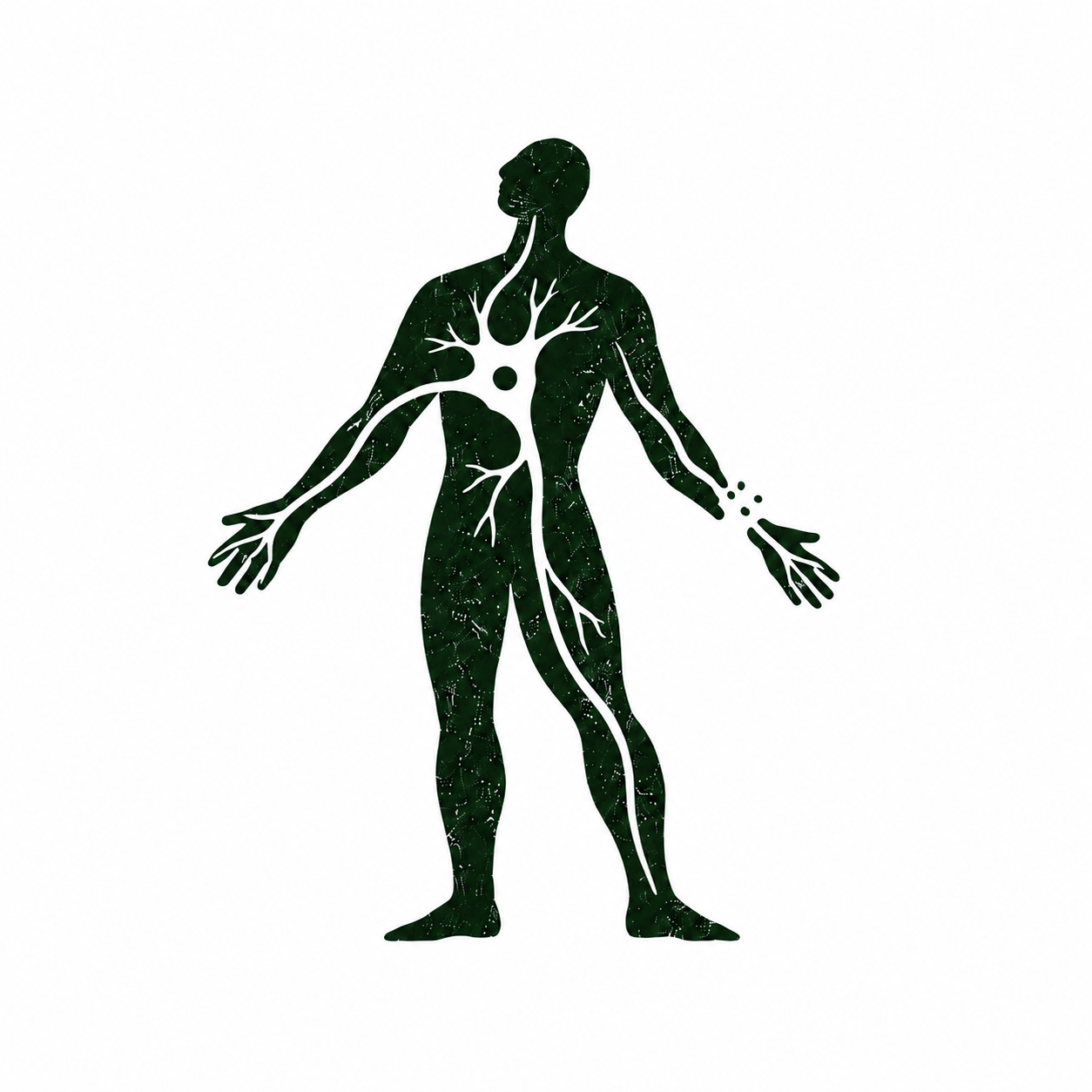
Amyotrophic lateral sclerosis (ALS) is a devastating disease with no cure and few meaningful treatments. It causes the progressive degeneration and death of motor neurons in the brain and spinal cord. As those neurons die, muscles lose the signals they need to move, causing weakness, wasting, and paralysis.
-

The Power of Research
Research can change what an ALS diagnosis means. It can help scientists understand why motor neurons die and develop interventions that protect them, slow degeneration, or stop it entirely.
-

The Inspiration
Dance the Cure carries forward the spirit of Anthony Senerchia, Pete Frates, and Pat Quinn—three young men living with ALS who helped turn a simple public action into a global movement. In 2014, well over 17 million people participated in the Ice Bucket Challenge, raising over $220 million worldwide for ALS organizations.
How it works
-

Move.
Create a short dance sequence or movement response. Choose a song, a memory, a feeling, a gesture—or begin with one of the movement prompts featured on this site. Record it for social media to gain visibility for the movement. If you’re too shy to share, you can also describe your experience of dancing. Remember to use the hashtag #DancetheCure.
-

Give.
Donate and help raise funds for ALS research through the ALS Society of Canada.
If you share your movement on social media, we recommend a minimum donation of $10.
If you’re too shy to share, we suggest a minimum donation of $100.
-
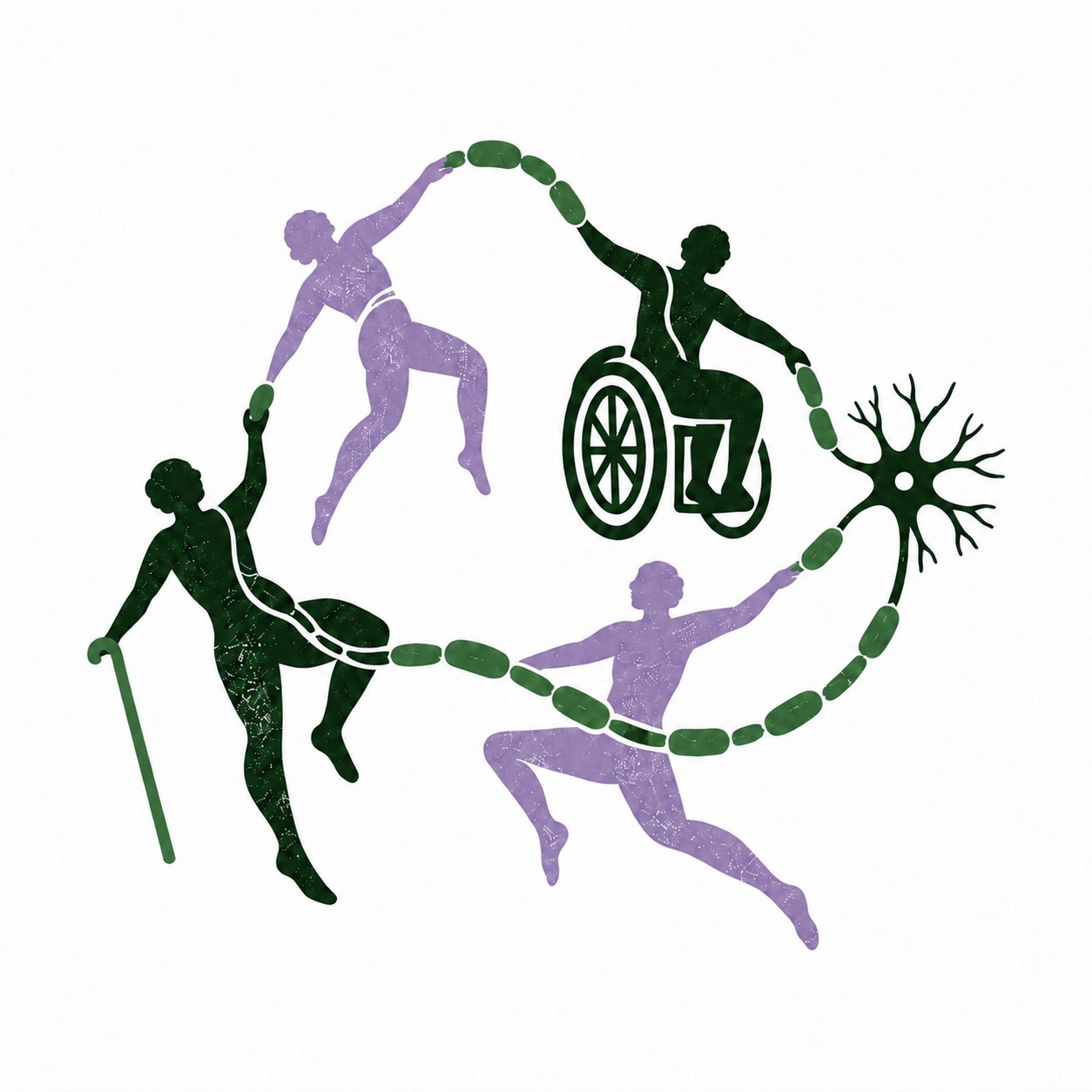
Pass it on.
Invite a minimum of three people in your network to respond with movement responses and donations of their own.
Tag them in your social post to nominate them for the challenge and remember to link them to the fundraising page for the ALS Society of Canada.
Move.
Begin wherever you are.
Dance badly. Dance beautifully. Dance furiously.
Dance for thirty seconds in your kitchen or ten seconds at your desk.
You don’t need choreography, flexibility, rhythm, or a particular kind of body.
Dance with your whole body—or with only one part of it. Post a video or description of your dance on social media with the hashtag DancetheCure.
Give.
2.
Donate $11 to the ALS Society of Canada.
If you’ve been invited to dance but are too shy to bust a move in public, we recommend donating a minimum of $100.
Pass it on.
3.
Choose three people in your network to join the dance.
Tag friends and family on social media or invite them in a private message. We recommend using a variation of the following script.
Why I’m dancing the cure.
Approximately 1 in 400 people in their lifetime are estimated to be diagnosed with amyotrophic lateral sclerosis (ALS), commonly known as Lou Gehrig’s disease. ALS attacks motor neurons in the brain and spinal cord; as those motor neurons degenerate and die, people living with ALS progressively lose their ability to independently walk, talk, swallow, and eventually breathe.
Incurable and with few treatments, ALS devastates those living with the disease as well as their caregivers and communities. A percentage of cases run in families, but beyond that little is known about what triggers the disease or how to prevent it.
I want to change that.
Today, I celebrate my ability to move and honour those who have lost or are losing their mobility to motor neuron disease.
I am moving toward a future in which a diagnosis of ALS is neither degenerative nor fatal.
My donation to the ALS Society of Canada will help improve the lives of people affected by ALS by enabling access to support services and equipment. Funds raised will also support research so that one day soon ALS will be a treatable, nonterminal disease. Many leading ALS researchers believe effective treatment options are now a matter of when, not if. A research discovery depends on the amount of funding available to pursue it.
I’m passing on this dance invitation to _________________, ____________, and ________________. I challenge you to 1) move, 2) give, and 3)pass it on—so collectively we can dance towards a cure.
Donate here: bit.ly/dancethecure
Learn more about Dance the Cure by watching video tutorials and receiving dance prompts: floriographie.studio/dance
Every body belongs
-

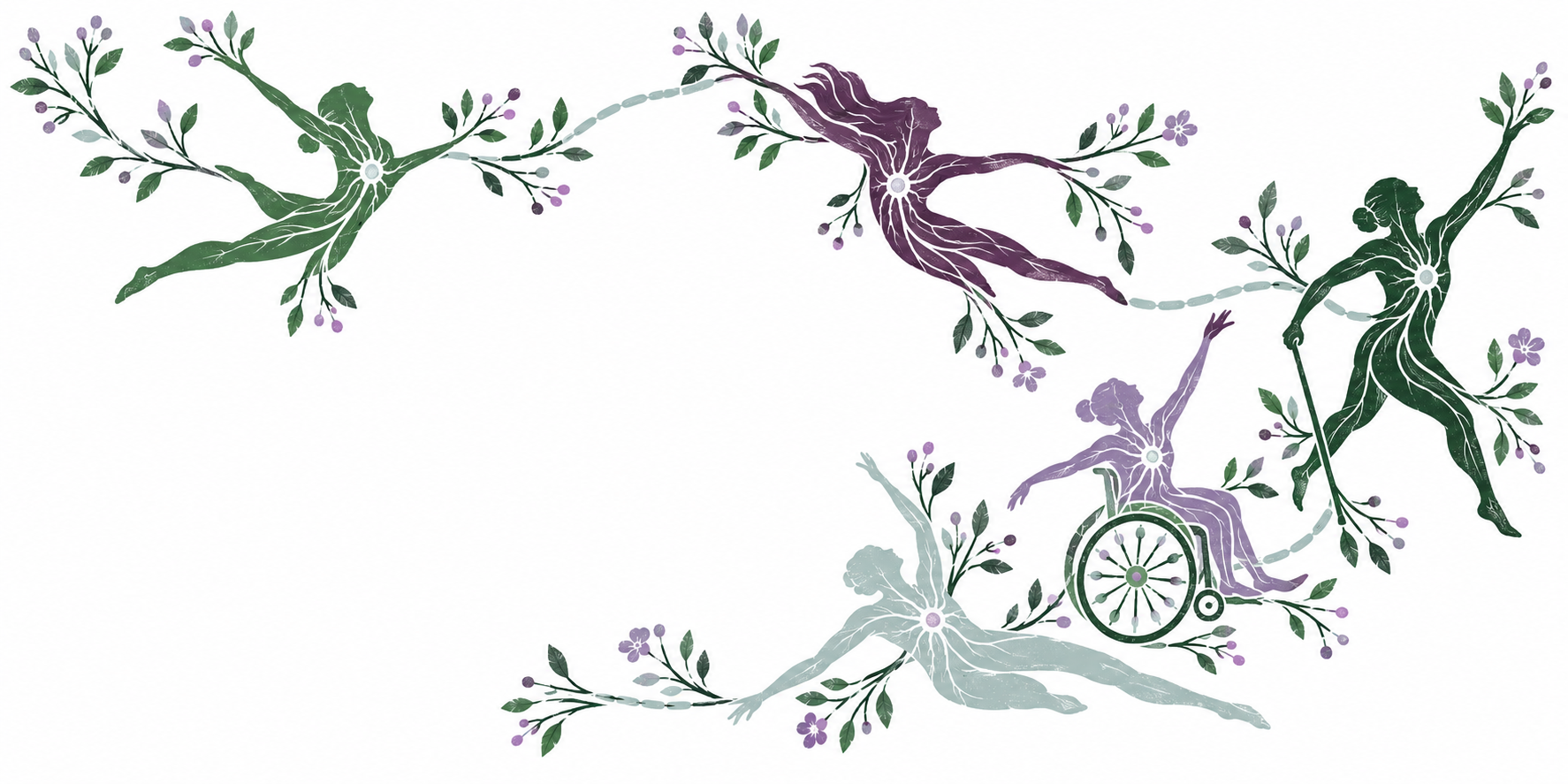
Dance together.
Dance joyously and dynamically. Simply or subtly.
-

Dance solo.
Perform standing, seated, or lying down.
-
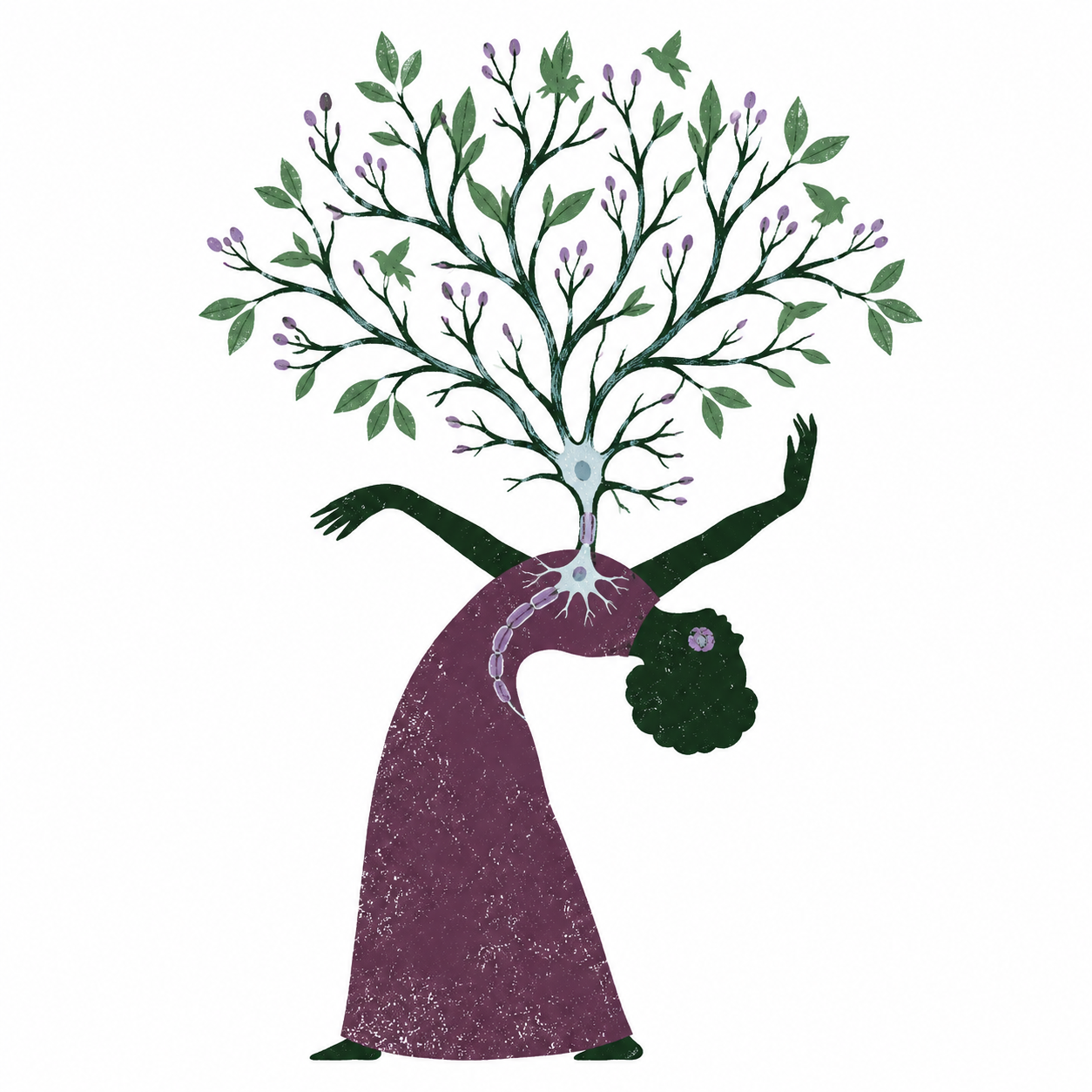
Dance outside.
Stage it in an alleyway or garden.
-

Dance upside down.
Sequence a series of nods or toe taps. Blink or breathe to the beat.
-

Dance inwardly.
Stop performing and dance in rest.
-
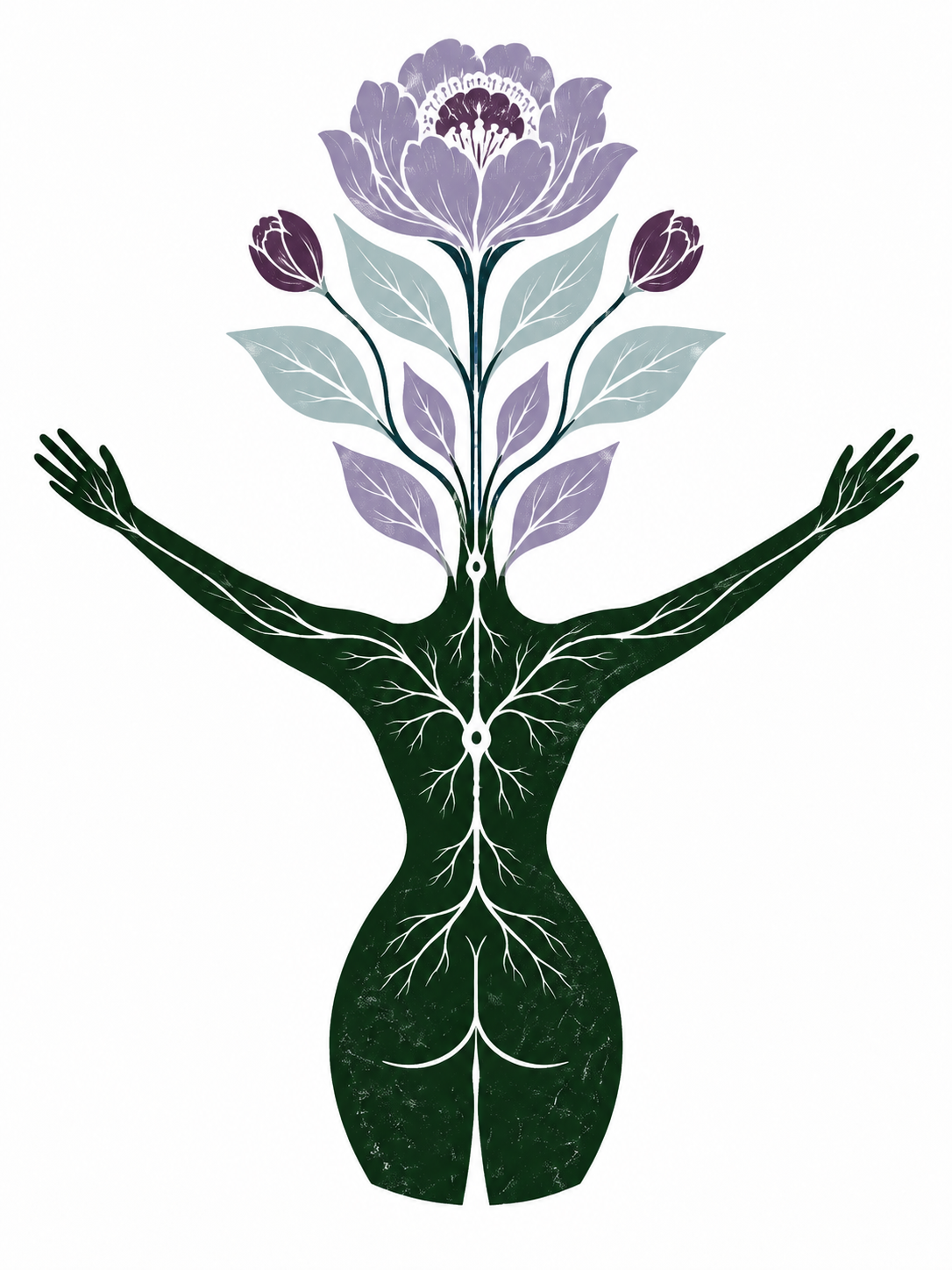
Dance outwardly.
Expand your perception of the dance.
-

Dance diminuitively.
Ignite the tiniest gestures.
-
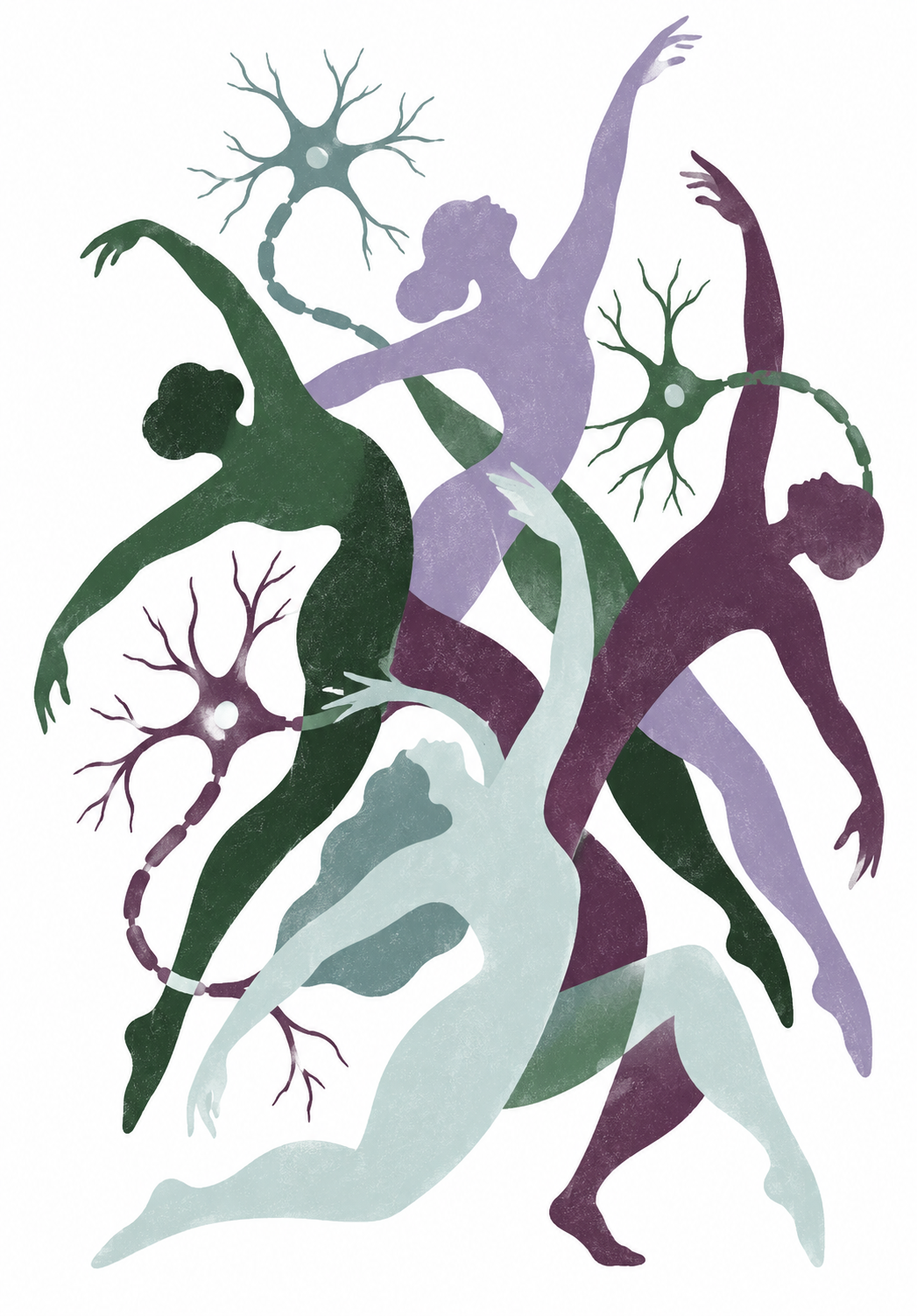
Dance en masse.
Rave. Tango. Swing.
Why ALS research?
“ALS is not an incurable disease. It’s an underfunded one.”
When a fellow patient shared these words, I realized that what is incurable today does not need to remain incurable forever. Scientific research has transformed other illnesses that were once considered inevitably fatal. With sufficient funding, imagination, and collective will, we can transform ALS too.
While my passion for life and love of dance inspire this movement, Dance the Cure acknowledges the harsh reality of this disease. I am dancing because people with ALS deserve better treatments.
I am dancing because a cure will not discover itself.
My name is Nancy, and I have ALS.
I am a writer, artist, educator, trained yoga teacher, and graduate of Trinity Laban Conservatoire of Music and Dance. I began taking my love of dance seriously in the wake of my first diagnosis of breast cancer. My interdisciplinary PhD in poetry and performance explored contemporary artistic approaches to grief and loss.
In July 2025, around the time I learned I had cancer for the second time, I began developing debilitating pain and weakness in my left shoulder. A series of scans revealed nothing that might explain the range of my symptoms; meanwhile, I was struggling to turn keys, put in earrings, and open jars. In April of 2026, my ring finger “dropped,” and the pad beneath my thumb hollowed out.
Nerve conduction studies (NCS) and electromyography (EMG) in July 2026 evidenced extensive lower motor neuron dysfunction and muscle denervation throughout my upper limbs.
My neurologist considers my symptoms to indicate a rare phenotype of ALS called brachial amyotrophic diplegia (BAD), sometimes referred to as flail arm syndrome (FAS). Although ALS often comes with a crushing prognosis, this variant tends to progress more slowly.
In the wake of learning I have "BAD," I've felt the urge to dance as "bad" as Michael Jackson—for as long as I can.
I invite you to dance with me.
Follow the movement.
Dance the Cure is a community fundraising campaign in proud support of the ALS Society of Canada.
Founded in 1977, the ALS Society of Canada works with the ALS community to improve the lives of Canadians affected by ALS through research, care, advocacy, and information. In Ontario, it also provides direct community services and equipment support.
Frequently Asked Questions
-
Absolutely not. Dance the Cure is for every body. Your movement can be joyful, awkward, subtle, seated, standing, lying down—or barely visible.
-
Anything you choose to call dancing: a full routine, a head nod, a foot tap, a blink, a breath, or simply imagining yourself in motion.
-
Choose a song, move in whatever way is available to you, share your dance using #DanceTheCure, invite someone else to join, and—if you can—donate to ALS research.
-
No. You can dance privately, participate with friends, attend an event, donate, or simply pass the campaign along.
-
Yes. Workplaces, schools, dance companies, community groups, care teams, and families can create a collective dance or organize an event.
-
Yes. You can dance in honour or memory of someone and name them in your post or dedication. ALS Canada also supports memorial donations and tribute pages. ALS Canada memorial giving
-
Even the smallest donation helps. We recommend a minimum of $10 if you accept the invitation to dance and $100 if you decline. However, spreading the word and supporting the campaign are just as valuable.
-
Donations to the ALS Society of Canada support research, advocacy, information, and community services. Read more about the impact of your donations here.
Donations to Nancy go to support the time and resources required to drive the campaign Dance the Cure.
-
Donations made online through ALS Canada’s official fundraising platform receive an electronic tax receipt. ALS Canada fundraising information.
-
Dance to any song or soundscape you wish. When posting publicly, uses music available inside the social platform whenever possible to reduce the likelihood of copyright restrictions.